

Professional dog grooming delivers a level of care that most pet parents simply can't match at home. When you visit PUPARAZZI Day Spa in Albury, trained groomers use professional-grade equipment, specialized products, and techniques refined through years of experience. They can safely trim around sensitive areas, express anal glands, and properly clean ears—tasks that require expertise to perform correctly and safely.
However, maintaining your dog's coat between these professional visits is equally important.
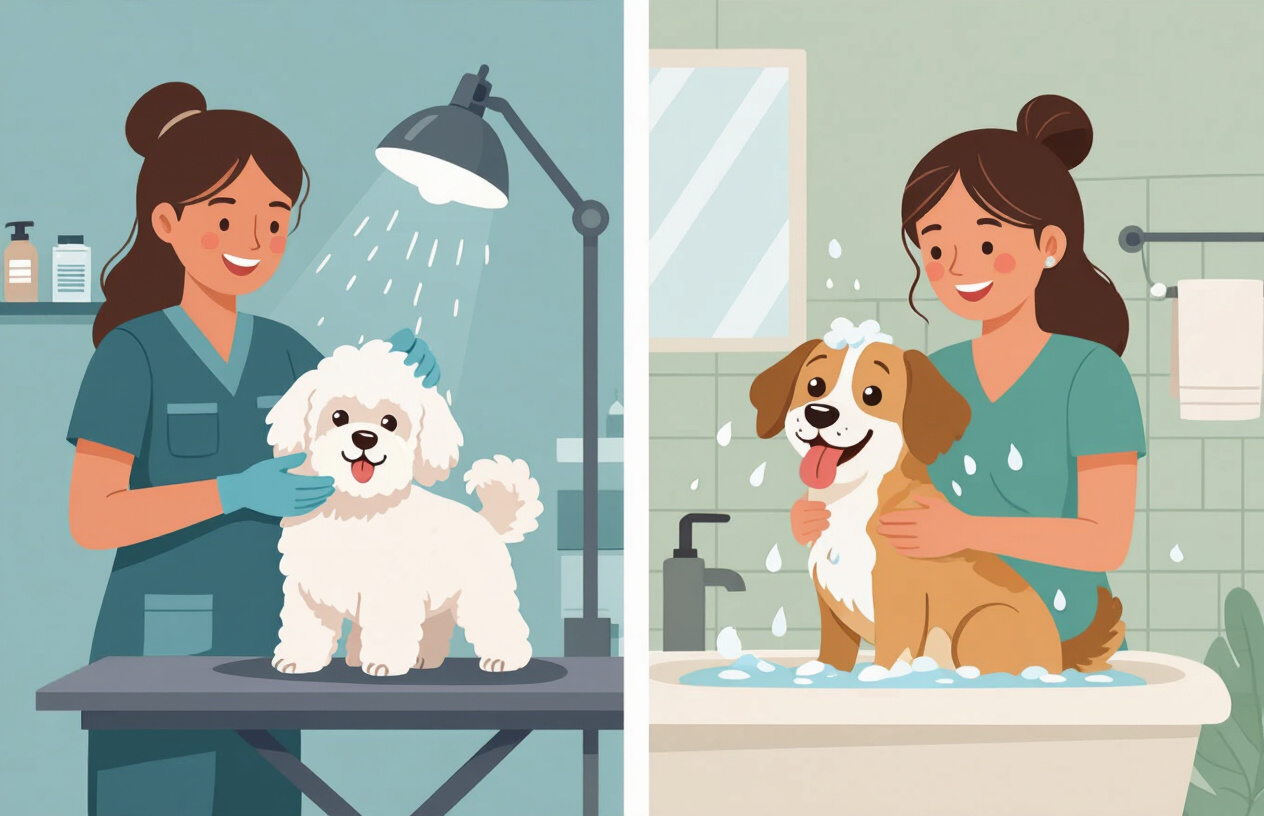
At-home bathing bridges the gap between grooming appointments, keeping your furry friend clean, comfortable, and healthy. According to the American Kennel Club, regular maintenance bathing can prevent skin issues and extend the fresh, clean feeling from professional grooming sessions.
For Albury residents, PUPARAZZI's Bubbles Bath and Dry service provides comprehensive grooming that home bathing complements perfectly. Their professional service addresses all aspects of your dog's hygiene needs, while your at-home care maintains that polished look for weeks after.
Bathing frequency isn't one-size-fits-all. Your dog's breed, coat type, activity level, and skin conditions all play crucial roles in determining the right schedule.
The old saying that only bathing a dog once or twice a year is not true; with today's doggie Shampoos and Conditioners, you can wash as often as you see fit. However, you must use Doggie Products and not human products.
Most dogs do well with a bath every 2-3 weeks, complementing professional grooming every 4-8 weeks.

A Labrador who loves swimming might need weekly rinses, while a Shih Tzu with a styled coat might require gentle weekly maintenance. Veterinary experts recommend consulting with Dog Grooming professionals about your specific pet's needs.
For active dogs or those with skin conditions, more frequent bathing with appropriate medicated shampoos might be necessary—just be sure to use products recommended by your vet or PUPARAZZI Day Spa.
You'll know it's bath time when:
Pet health professionals suggest these signs indicate it's time for an at-home bath, even if their professional appointment is still weeks away.
Regular at-home bathing:
These benefits extend beyond aesthetics—veterinary resources emphasize that regular bathing contributes to early detection of potential health issues and promotes better overall skin and coat condition.
Before you begin bathing your furry friend, gather all necessary supplies.
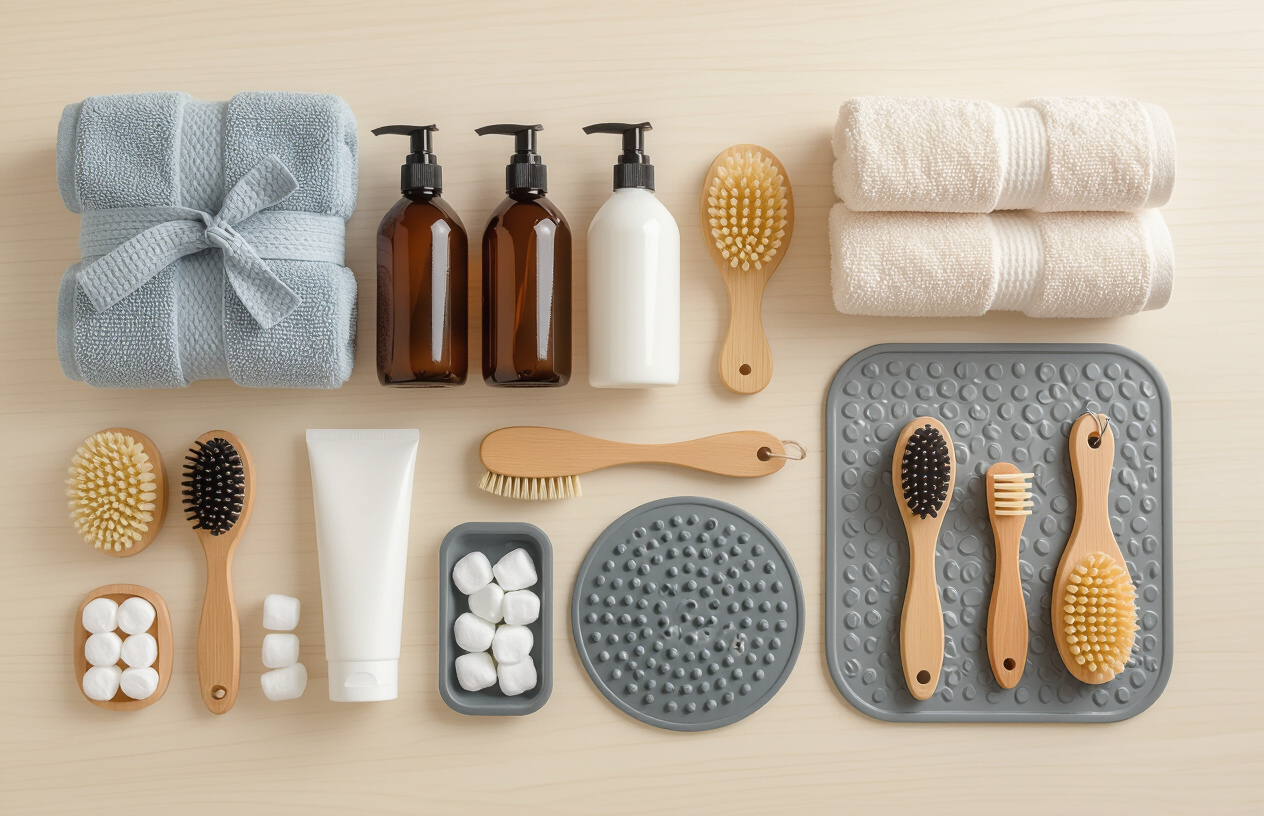
Start by selecting a dog-specific shampoo that matches your pet's coat type – oatmeal-based for sensitive skin, moisturizing for dry coats, or medicated options for specific conditions. Human shampoos can disrupt your dog's natural pH balance and cause irritation, so always stick with products formulated specifically for dogs.
Next, collect several absorbent towels, a non-slip mat (crucial for preventing accidents), and the appropriate brushes for your dog's coat type. A drain cover will catch loose fur and prevent plumbing issues. Many clients at PUPARAZZI Day Spa in Albury report that preparation makes all the difference in creating a stress-free experience.
Choose the right bathing location based on your dog's size and comfort level. Small dogs might do well in a kitchen sink, medium to large breeds typically need a bathtub or shower, while outdoor bathing works well in warm weather. Wherever you choose, ensure water temperature is lukewarm – too hot or cold will create a negative association with bath time.
Create a calm environment by preparing the space properly – remove distractions, gather treats for positive reinforcement, and consider playing soft music. Many Dog Groomers, including PUPARAZZI Day Spa, use gentle lighting and soothing scents during their Mini-Maintenance services to create a spa-like atmosphere worth emulating at home.
Before introducing any water, thoroughly brush your dog to remove loose fur, debris, and minor mats. For double-coated breeds, use an undercoat rake first, followed by a slicker brush. Short-coated dogs benefit from a rubber curry brush that loosens dead hair and stimulates the skin.
While brushing, perform a quick health check – look for ticks, unusual bumps, rashes, or areas of sensitivity that might need special attention during bathing. Examine your pet's skin thoroughly for any issues that might require veterinary care.
For dogs with floppy ears, place cotton balls just inside the ear openings to prevent water entry. Check nail length too – long nails can make standing uncomfortable during the bath.
Long-haired breeds need extra attention during this pre-bath phase. Dog Grooming professionals at PUPARAZZI recommend sectioning the coat and brushing from the skin outward to prevent tangles that worsen when wet. Their Full Groom service includes detailed brushing techniques that you can adopt at home – work small sections at a time, holding the hair at the roots to prevent pulling on the skin.
Once your dog is in the bathing area, wet their coat thoroughly using a handheld sprayer, cup, or washcloth for face areas. When bathing short-haired dogs, use gentle, circular motions with a washcloth or short-bristled brush, working the shampoo into a lather. Focus on particularly dirty areas like paws and underbelly.
For long-haired breeds, section the coat and work methodically from bottom to top to prevent tangling. Apply shampoo to your hands first, then work it through each section, being careful not to rub the coat in ways that create mats. Many clients who visit PUPARAZZI Day Spa between professional appointments find this sectioning technique saves considerable detangling time afterward.
Double-coated breeds like Huskies and Shepherds require special attention – use a diluted shampoo solution that's easier to rinse out completely. Work the shampoo down to the skin using your fingertips.
For dogs with sensitive skin, apply shampoo to a washcloth first rather than directly to the coat. Keep shampoo away from eyes, using a damp cloth to clean the face separately. PUPARAZZI groomers recommend saving the head for last to minimize stress during the bathing process.
Thorough rinsing is arguably the most critical step – residual shampoo causes skin irritation and itching. Rinse until the water runs completely clear, which often takes longer than expected. Test water temperature with your wrist to ensure comfort throughout the process.
When removing your pet from the bath, prevent them from shaking by gently holding their muzzle for a moment while you reach for towels. Towel dry by pressing rather than rubbing, which can create tangles. Start with the face and work backward, changing towels as needed.
For drying options, most dogs can air dry in warm weather, though breeds prone to matting need blow-drying assistance. Use a dryer designed for pets on a low heat setting, or your own blow dryer on the coolest setting, keeping it moving constantly to prevent hot spots. Many Dog Grooming professionals in Albury recommend holding the dryer at least 18 inches away from your pet's skin.
Once your dog's coat is partially dry, brush again to prevent matting as the fur dries. For long-haired breeds, apply a small amount of leave-in conditioner or detangling spray, working through with your fingers or a wide-toothed comb.
Clean ears gently with a veterinarian-approved solution on a cotton ball, wiping only the visible parts without inserting anything into the ear canal. Check paw pads for cleanliness and trim any excess hair between toes if needed.
As your dog fully dries, you might notice areas that need touch-ups with a slicker brush or comb. Regular maintenance between professional appointments helps preserve the styling work done by PUPARAZZI Day Spa in Albury. Their groomers suggest a quick daily brushing routine to maintain your dog's appearance and promote overall coat health between visits.
Finally, reward your pup with praise and treats for their patience – positive reinforcement makes future baths much easier for both of you!
