
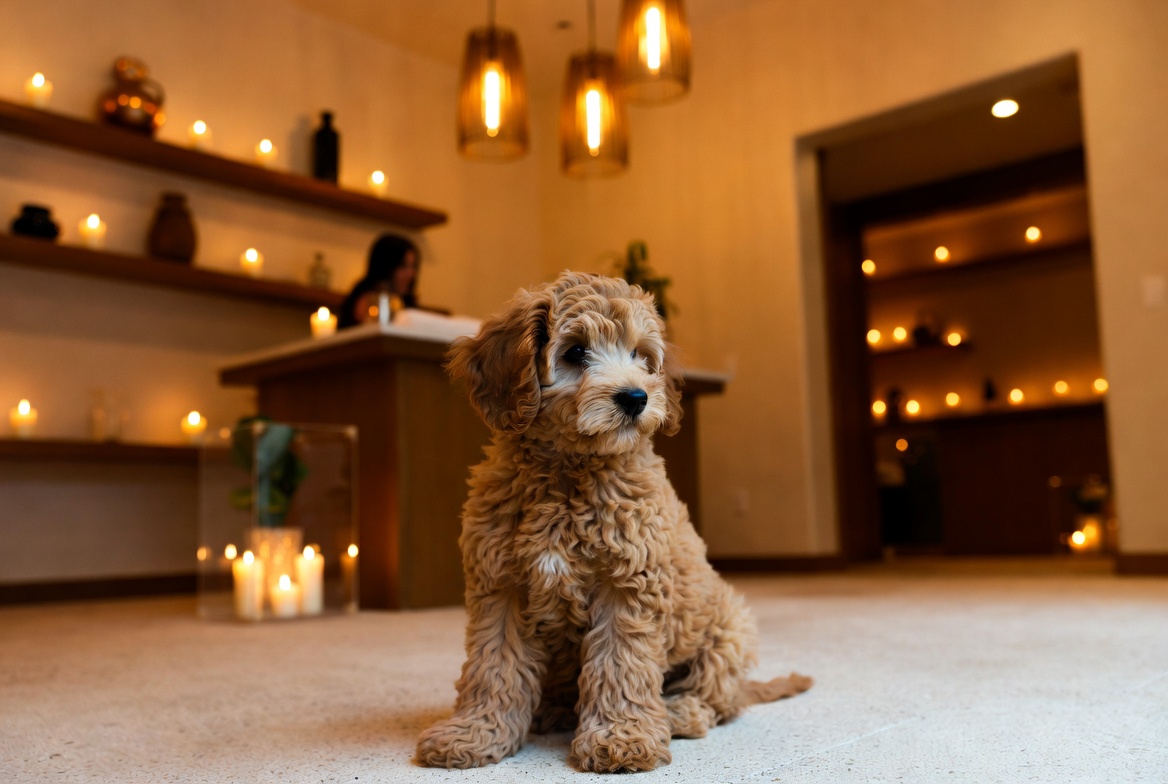
Your puppy's first grooming appointment is a milestone, but timing matters. Most puppies should wait until they've completed their vaccination, typically between 10-12 weeks of age. This ensures they're protected in an environment where they'll encounter other dogs and their residual germs.
Starting early offers significant benefits beyond just coat maintenance. These first grooming experiences help your puppy develop positive associations with handling and grooming tools. Early exposure creates a foundation for lifelong grooming comfort, reducing anxiety during future appointments.
Breed-specific needs may affect this timeline. Long-haired breeds like Shih Tzus or Cocker Spaniels often need professional attention earlier to prevent painful matting. Meanwhile, short-haired puppies might not require full grooming services until slightly later, though they still benefit from early introduction to nail trimming and ear cleaning.
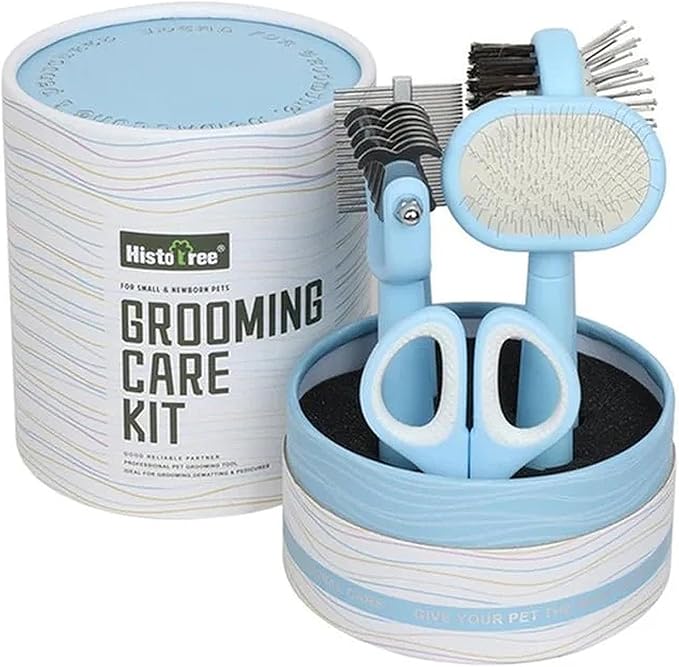
Puppies First Grooming Pack ( Click to purchase now ) https://amzn.to/4oWiOyJ
Before that first appointment, prepare your puppy through gentle home training. Spend time regularly touching sensitive areas like paws, ears, and face. Hold each paw for a few seconds, gently open the mouth, and look in the ears. These brief handling sessions help your puppy become comfortable with the types of touches groomers will use.
Introduce brushing gradually, starting with just 30 seconds of gentle contact. Use a soft brush appropriate for your puppy's coat type and slowly extend the time as they become more comfortable. Similarly, practice mini-baths in your sink or tub, focusing on creating positive experiences rather than thorough cleaning.
The sounds of dog grooming tools can startle unprepared puppies. Play recordings of clippers and dryers at low volume during playtime, gradually increasing the volume as your puppy shows comfort. Some groomers even welcome "meet and greet" visits where puppies can experience the environment without undergoing a full grooming session.
Always pair these introductory experiences with treats, praise, or play. This reward-based approach helps puppies form positive associations with grooming activities.
Bring complete health records to your appointment, including vaccination certificates and any health conditions the groomer should know about. Make sure your puppy is current on flea and tick prevention—this protects both your pet and others at the facility.
If your puppy has any skin sensitivities, allergies, or medical concerns, discuss these with your groomer beforehand. Many can accommodate special needs with hypoallergenic products or modified handling techniques.
Not all groomers have the same experience with puppies. Look for professionals who specifically mention working with young dogs. Example Puppies First Visit
Before booking, visit potential facilities. Check for cleanliness, proper ventilation, and safety features like non-slip tables and secure tethering systems.
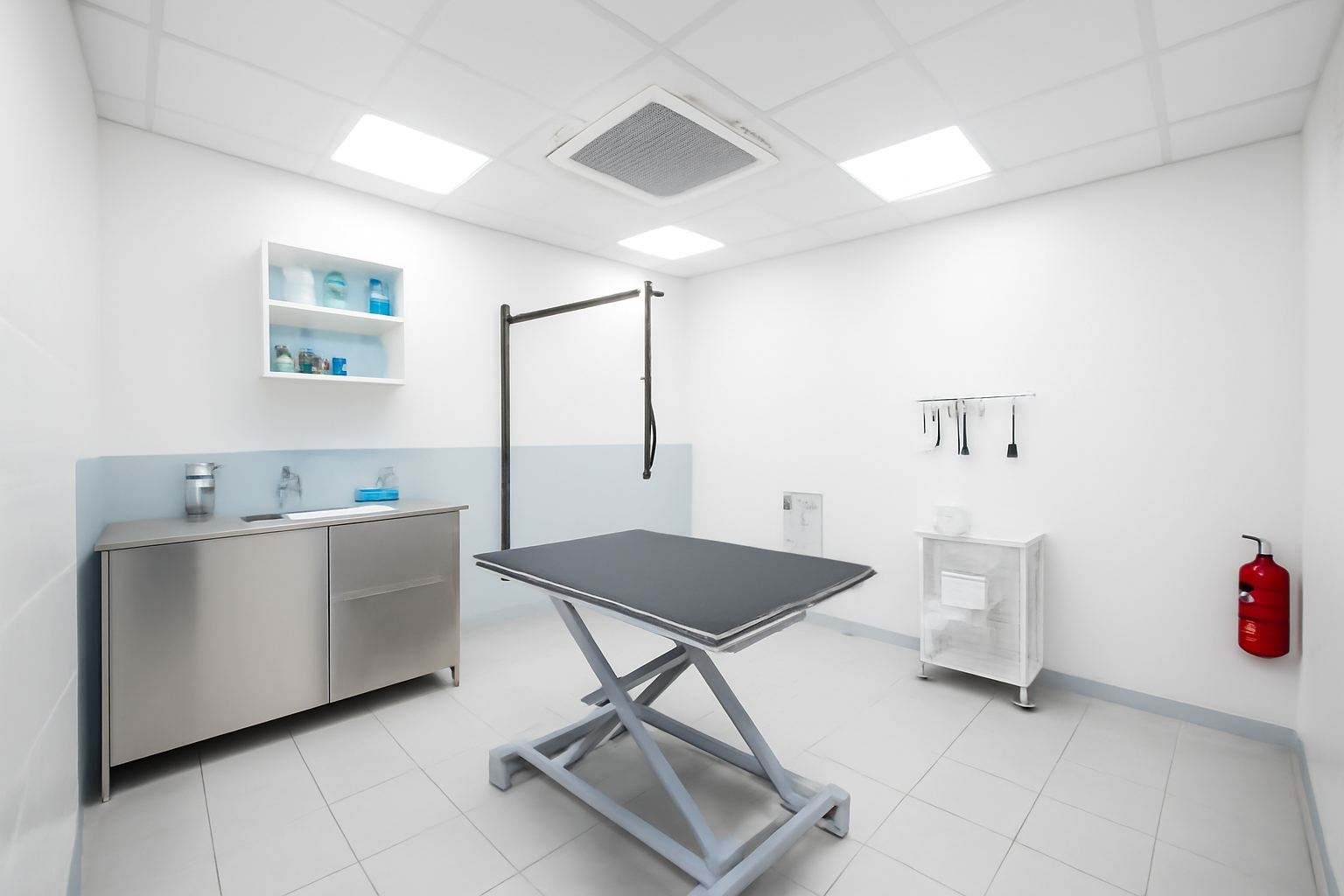
Observe how staff interact with the dogs in their care. Are they patient, gentle, and attentive?
Ask pointed questions about their puppy handling practices:
Finally, seek recommendations from other dog owners, particularly those with the same breed. Online reviews can provide insights, but personal referrals often reveal the most accurate picture of a groomer's skill with young, inexperienced puppies.
Most professional groomers offer specialized packages designed specifically for puppies to make their first experience positive and stress-free. These "puppy intro" packages are typically shorter and more gentle than standard adult dog grooming sessions. Example Puppies First Visit
The basic services usually included in a first-time puppy grooming appointment are a gentle bath with puppy-safe shampoo, thorough brushing to remove loose fur, nail trimming (which is crucial to start early), and gentle ear cleaning. These fundamental services help your puppy get used to being handled while keeping them clean and comfortable.
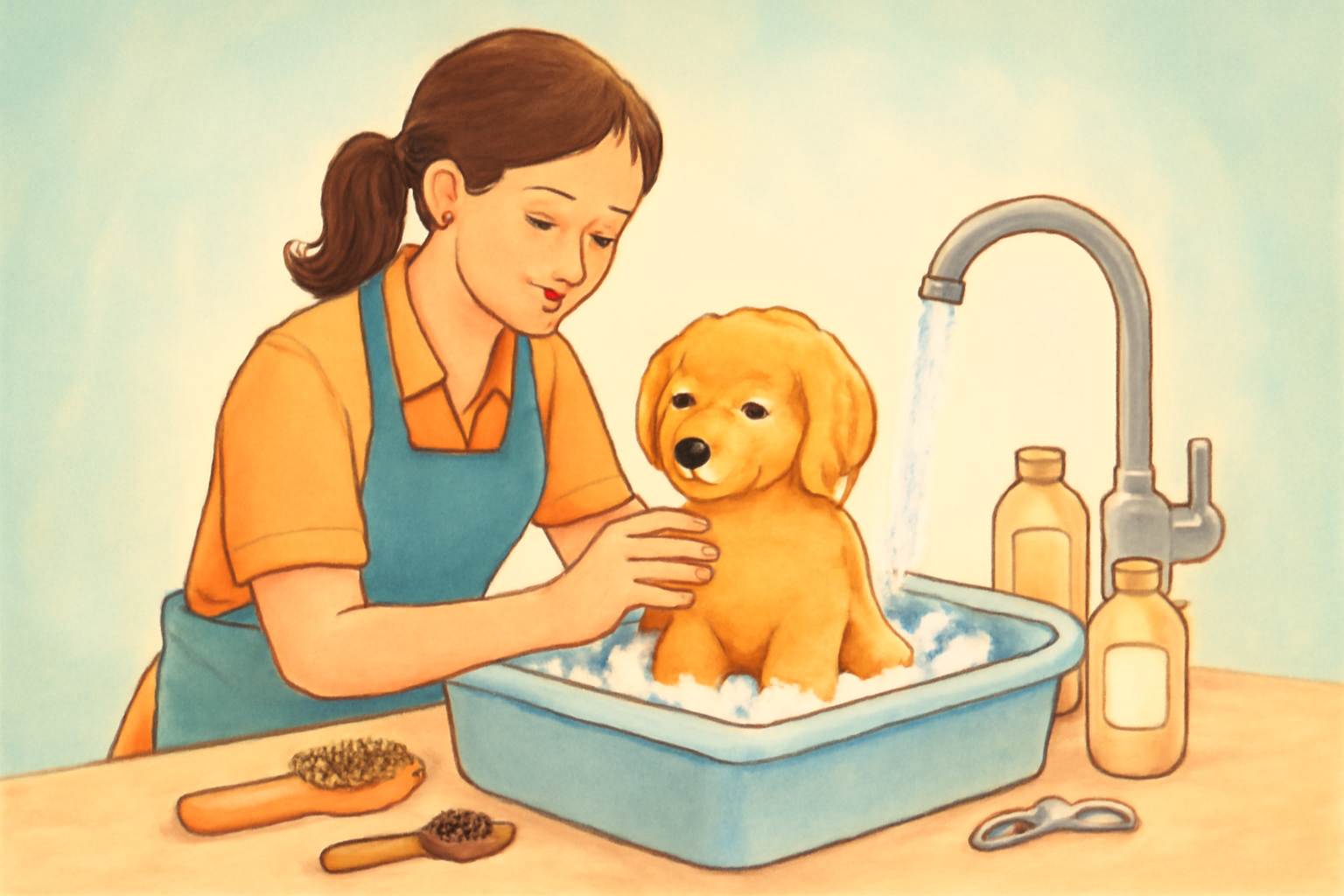
Depending on your puppy's breed, the groomer might also offer light clipping or trimming. For breeds with continuously growing coats like Poodles, Shih Tzus, or Yorkies, a "puppy cut" is often recommended – this is a shorter, even-length trim that's easier to maintain while your puppy is still growing. For double-coated breeds like Golden Retrievers or Huskies, they'll focus more on gentle deshedding techniques instead of clipping.
Many groomers also offer additional services such as teeth brushing, sanitary area trimming, and paw pad trimming. These extras can be added gradually as your puppy becomes more comfortable with the grooming process.
When you arrive for your appointment, expect an initial consultation where the groomer will check your puppy's coat condition, look for any skin issues, and discuss your goals for the session. This is also when they'll review vaccination records and ask about any health concerns.
The actual dog grooming process typically follows a specific order designed to minimize stress. Groomers usually start with nail trimming and ear cleaning while your puppy is still fresh and calm. Next comes the bath and blow-dry, followed by brushing and any necessary clipping or trimming. This progression moves from less intensive to more involved procedures.
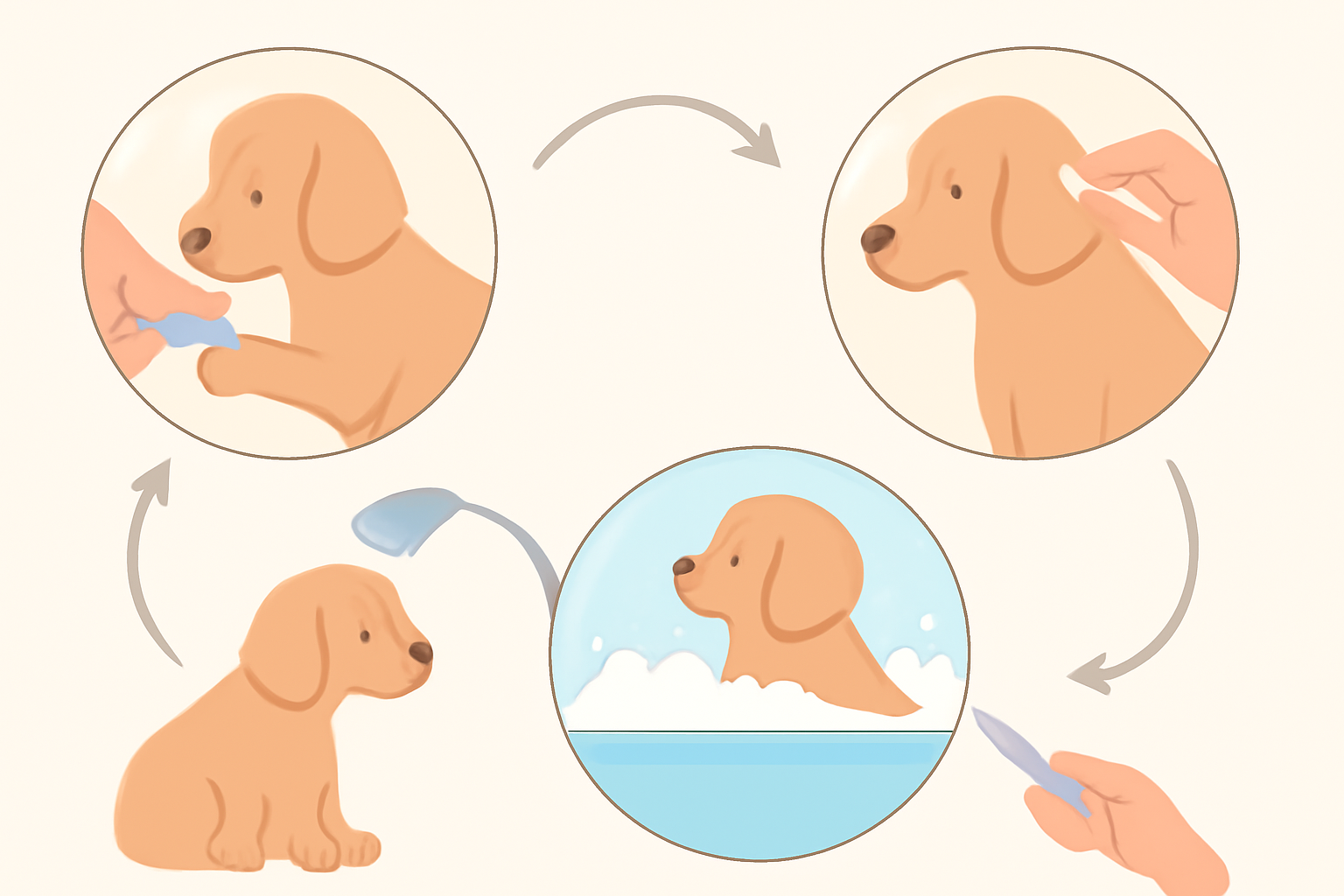
For puppies, first grooming sessions usually last 2-3 hours, significantly shorter than adult dog appointments. Most groomers understand that young puppies have limited patience and attention spans.
If your puppy shows signs of stress or anxiety during the session, experienced groomers will use calming techniques like gentle talking, short breaks, or treats. Some may even split the first grooming into multiple shorter sessions to help your puppy adjust gradually.
Always bring your puppy's up-to-date vaccination records, as most groomers require proof of vaccinations before service. These records protect both your puppy and other dogs at the facility.
Pack some of your puppy's favorite treats for the groomer to use as positive reinforcement during challenging parts of the process. Small, soft treats work best as they can be quickly eaten without interrupting the grooming flow.
For especially anxious puppies, bringing a familiar toy or blanket with your scent can provide comfort in the new environment. These items can help your puppy feel more secure when they're separated from you during the appointment.
If your puppy has sensitive skin or allergies, bring their special shampoo. Most groomers are happy to accommodate special products when needed.
Clear communication with your groomer is essential for a successful first appointment. Discuss your specific expectations about how you'd like your puppy to look after grooming. Bring photos if you have a particular style in mind.
Provide detailed information about your puppy's temperament, behavior triggers, and any handling sensitivities. Let them know if your puppy is afraid of certain sounds or objects, like clippers or dryers.
Clarify grooming terminology to ensure you're on the same page. Terms like "puppy cut," "teddy bear face," or "rounded feet" can mean different things to different groomers, so discuss specific details about length and style.
Most importantly, ask how the groomer handles puppy stress or anxiety. Professional groomers should have specific techniques for working with young dogs and making the experience positive for first-timers.
Bringing your puppy home from their first grooming session is exciting, but knowing what to expect afterward is crucial. Most puppies will act differently for a short while—some may seem extra tired, while others might be unusually energetic. These temporary behavior changes typically resolve within 24 hours and are considered normal post-grooming reactions.
Be alert for signs of stress that should subside quickly, such as:
However, certain symptoms require immediate attention.
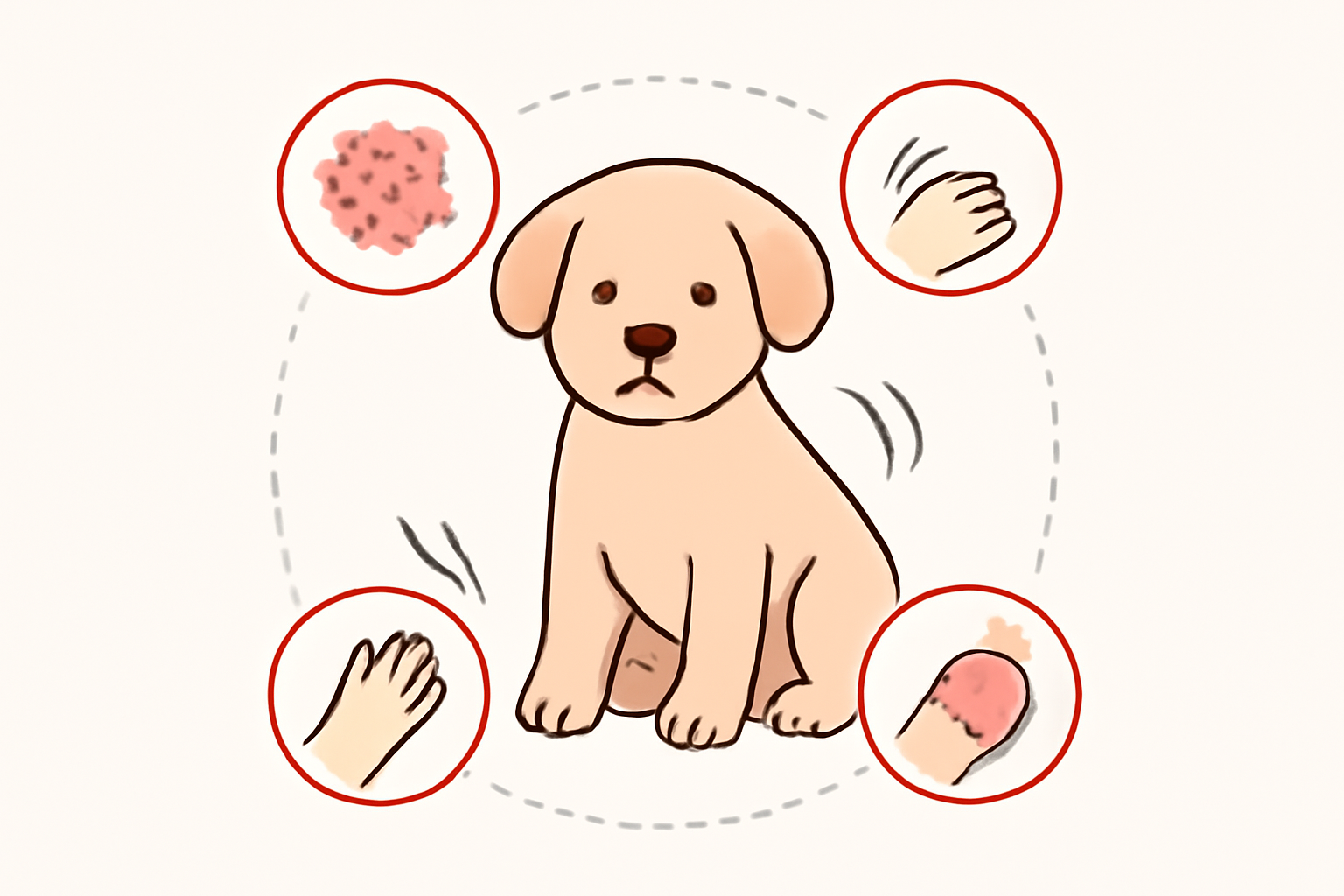
Contact your vet if your puppy shows:
Regular at-home care between professional grooming visits is essential for your puppy's coat health. Different breeds need specific approaches—curly-coated breeds like Poodles require daily brushing, while short-haired puppies might need just weekly maintenance with a rubber curry brush.
Invest in quality grooming tools appropriate for your puppy's coat type:
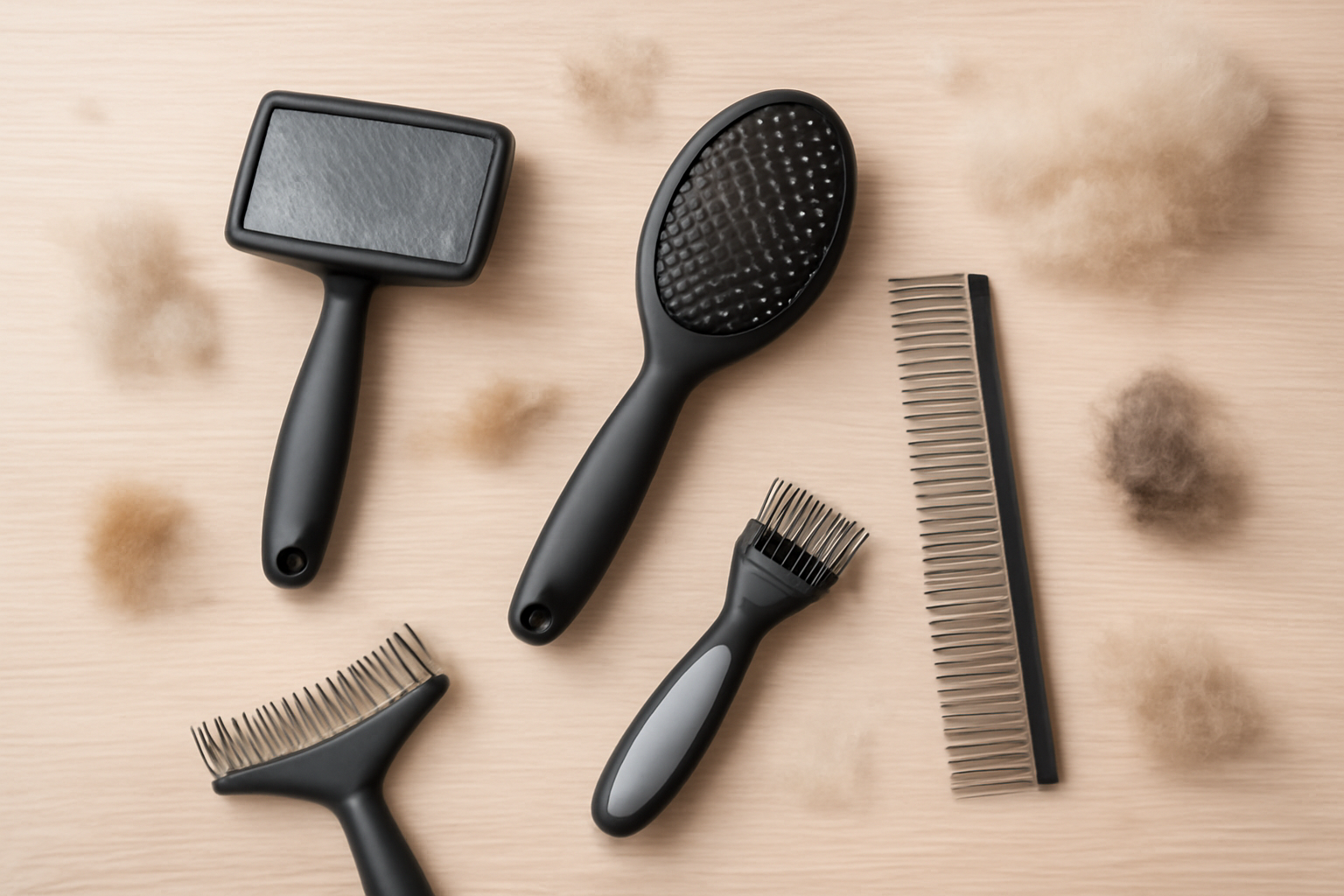
- Slicker brushes work well for most medium to long-coated breeds - Pin brushes for silky, flowing coats - Undercoat rakes for double-coated puppies - Steel combs for finishing and detail work
Establish a consistent brushing routine to prevent matting, especially in areas prone to tangles like behind the ears, under the collar, and in "armpit" regions. Proper brushing techniques can make grooming time enjoyable rather than stressful.
Your puppy's breed largely determines how often they'll need professional dog grooming. Fast-growing coats like Poodles and Doodle mixes typically need appointments every 4-6 weeks, while short-haired breeds might go 8-10 weeks between visits.
Consider seasonal needs when planning your schedule—many puppies benefit from shorter summer cuts and slightly longer coats in winter. Some dog clipping services offer special packages based on seasonal requirements.
Coordinate professional care with your at-home routine. For example, schedule bathing midway between appointments for puppies with high-maintenance coats.
Many puppies develop fears of specific grooming tools or processes. If your puppy seems afraid of clippers or dryers, try desensitization techniques like running the clipper near (but not on) your puppy while offering treats.
For wiggly puppies who can't seem to stay still, try:
Puppies with sensitive skin may need special shampoos or limited bathing. Discuss hypoallergenic options with your groomer and monitor for reactions after trying new products.
